• A Comprehensive Guide to Cuplock Scaffolding Load Capacity and Safe Working Loads
    A Comprehensive Guide to Cuplock Scaffolding Load Capacity and Safe Working Loads Nov 15, 2025
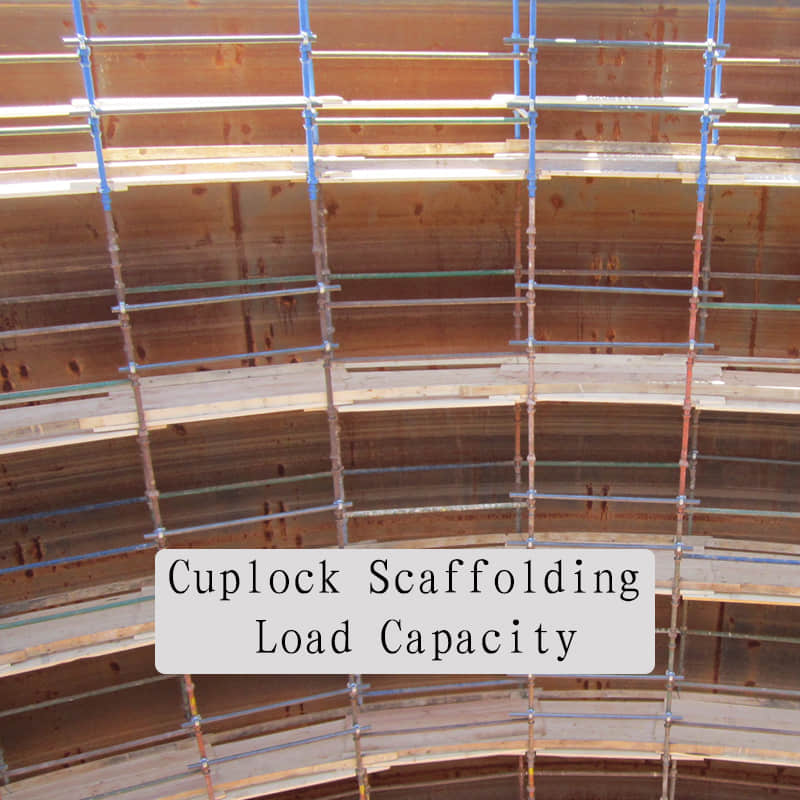
    Precision is the name of the game in construction, especially when it comes to temporary structures such as scaffolding. Here, the margin for error approaches nil. Cuplock scaffolding has become a favourite the world over owing to the versatility of the system, speed of erection, and resilient construction, and it can be somewhere in used the scaffolding type for high-rise buildings, industrial jobs, and other constructions. However, the worth of any works must depend entirely upon one important factor: Knowledge of and compliance with the Cuplock scaffolding load limits. To disregard these loading limits is not merely breaking the regulations; it is inviting disaster upon those who are careless. In this comprehensive article, project managers, site engineers, and others who are involved in the purchase of scaffolding in their hands will find a comprehensive, practical article dealing with Cuplock systems, their rating, how the loads are computed, the necessity for conformity, and worker safety during all stages.     A Review Of The Cuplock Scaffolding System       The Cuplock system is a modular-type scaffolding system that employs a special locking mechanism (the nodal system) that permits the attachment of up to 4 horizontal members (ledgers) to a vertical member (Vertical).   Key Components and Their Role in Load Bearing   Standards (Verticals): The primary load-bearing members. They transfer the entire weight of the structure, materials, and personnel down to the base plates. Ledgers (Horizontals): They connect the standards and define the bay length. They also carry the weight of the working platforms and the distributed working load. Top and Bottom Cups: The innovative feature. The bottom cup is welded to the standard, and the top cup locks the ledgers in place with a hammer blow, creating a rigid, load-sharing connection. The load-bearing capacity of the scaffolding system is due to the rigidity and structurally imposed rigidity, which is built into the nodal Cuplock mechanism, in contrast to traditional tube and fitting scaffolding.     The Safe Working Loads (SWL)   All scaffolding materials have inherent limiting strengths, and the most significant term that you must be familiar with, under consideration of such materials, is the Safe Working Load (S.W.L.), or the Allowable Working Load.   What is SWL and Factor of Safety?   The SWL is the greatest weight that can safely be supported by the scaffolding system or particular part under normal working conditions. It is not the ultimate overwhelming load. Engineering standards dictate that the SWL is determined using a Factor of Safety (FoS), which is typically 4:1 for scaffolding in many jurisdictions (e.g., OSHA, EN standards). If, for example, a Cuplock standard is tested to destruction under a load of 40,000 Kg (40 tons), then its published safe working load will be 10,000 Kg (10 tons), which gives an enormous factor of safety against unforeseen stresses, material defects, or small erection mistakes.   B. How the Loads are Distinguished in Scaffolding Design.   In order to calculate the necessary load-carrying capacity carefully, engineers classify the possible weight under three headings: Load Classification Description Calculation Focus Dead Loads The fixed, permanent weight of the scaffolding structure itself (Standards, ledgers, planks, couplers). Component density and assembly configuration. Live Loads The non-permanent, movable weight of workers, tools, and stored materials on the platforms. Usage class (Light, Medium, Heavy Duty). Environmental Loads External, dynamic forces such as wind pressure, snow load, or seismic activity. Bracing, tie-ins, and geographical location.     Cuplock Scaffolding Load Capacity: By Application   The load capacity is not a single, fixed number; it is dependent on the intended use of the working platform, which determines the required SWL per square meter. Load Classes According to Industry Standards (e.g., EN 12811)   Scaffolding Class Usage Example Minimum Permissible Uniformly Distributed Load (UDL) (kg/m²) Class 1 (Light Duty) Inspection, access only. 0.75 kg/m² Class 2 (Light Duty) Painting, cleaning, and light repairs. 1.50 kg/m² Class 3 (Medium Duty) General construction, plastering, rendering. 2.00 kg/m² Class 4 (Heavy Duty) Bricklaying, stone masonry, and heavy material storage. 3.00 kg/m² Class 5 (Special Heavy Duty) Exceptionally heavy work, specialized equipment. 4.50 kg/m²   Project managers must specify the correct load class during the design phase to ensure the correct standard gauge and bracing are used.   Crucial Role of the Standard (Vertical) Capacity   The primary determinant of the overall structural capacity lies in the ability of the standards to withstand axial compression. Typical Cuplock Standard Capacity (Example): Depending on the steel grade, wall thickness, and effective length (distance between cups), a typical Cuplock standard can often support an axial load of up to 60 kN (approx. 6,000 kg or 6 tonnes) before buckling is considered. This figure is an illustration; always consult the manufacturer's specific technical data. The total weight on any single standard (calculated by dividing the total expected load in a bay by the number of standards in that bay) must never exceed this certified SWL.       Safety and Compliance Optimization Best Practices     Obtaining rated load capacity is not merely a result of having high-quality components; it also requires scrupulous planning and execution. 1. Rigorous Foundation and Base Plate Checks The load-bearing capacity of the total system is determined by its weakest link. Make sure the ground is level and compacted, and that it can support the high point loads transferred by the base plates used. Use sole boards or sills to properly distribute the load over a larger area.   2. Correct Bracing and Tie-Ins Bracing is necessary for lateral stability and the transfer of environmental loads. Facade bracing (diagonal bracing) must be done in accordance with the design to prevent the standards from buckling. Tie-ins, non-negotiable in providing stability against wind loads, tie the scaffold into the permanent structure.   3. Adherence to Bay Sizes Standard bay sizes (e.g., $2.5m \times 1.2m$) are certified for specific loads. Altering these dimensions without re-engineering the scaffold will dramatically reduce the load capacity and invalidate safety certifications.   4. Material Storage Protocols Never exceed the specified platform load. Establish strict site protocols for material placement. Materials should be loaded directly above the standards wherever possible, minimizing eccentric loading on ledgers.       Conclusion   Understanding the Cuplock scaffolding load capacity is the cornerstone of responsible construction practice. It moves beyond mere component specifications into a holistic understanding of structural engineering, risk mitigation, and regulatory compliance. For architectural and engineering firms, this knowledge ensures project design integrity. For scaffolding rental companies, it guarantees asset longevity and minimizes legal exposure.   By committing to certified components, rigorous assembly procedures, and strict adherence to SWL protocols, you ensure not only the safety of your workforce but the success and reputation of your entire project. Is your next project demanding a specialized load configuration? Don't compromise on safety or compliance. Partner with [AJ Scaffolding] for certified, expertly maintained Cuplock scaffolding systems and professional design consultation. Contact our certified engineers today to discuss your project's precise load-bearing requirements and ensure a compliant scaffold design.     FAQ   Does the height of the scaffold reduce its load capacity?   Yes. Taller scaffolds are more susceptible to column buckling. They require stringent bracing and regular ties to maintain the designed SWL and stability.     What is the biggest site risk that compromises Cuplock load capacity?   Inadequate Bracing and Poor Foundations (uneven ground or insufficient sole plates) are the two primary causes of capacity failure.     Can Cuplock be used for heavy concrete shoring?     Yes, but only when configured as Special Duty with dramatically reduced bay sizes and maximum cross-bracing to handle the high, concentrated vertical loads.
  • The Definitive Guide to Efficient and Safe Cuplock Scaffolding Installation
    The Definitive Guide to Efficient and Safe Cuplock Scaffolding Installation Nov 25, 2025
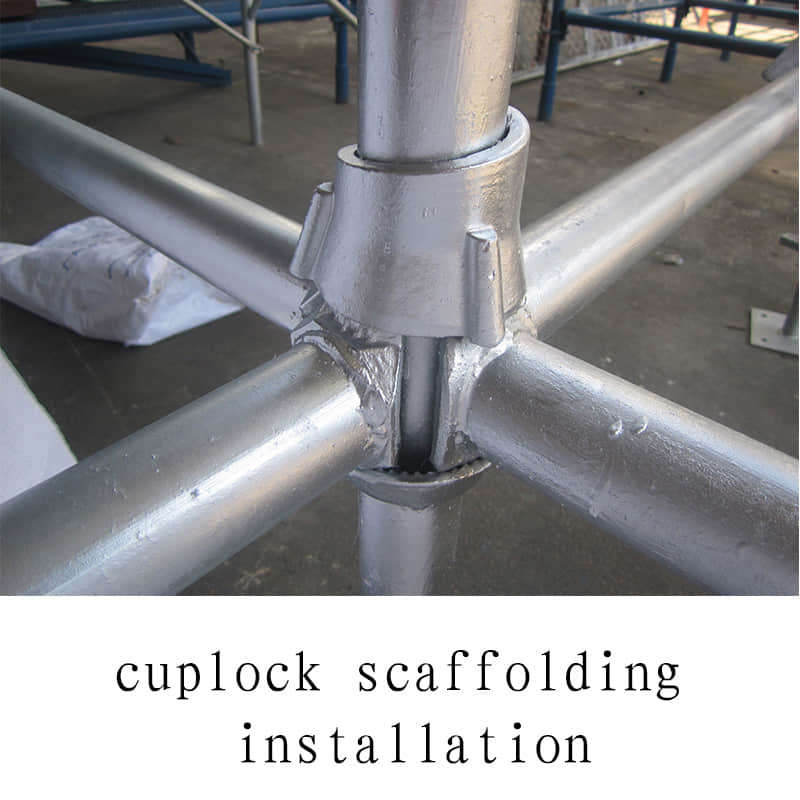
      Due to the fast-paced, high-risk elements of danger and numerous other factors involved with the construction industry, it is important that scaffolding systems be installed and used quickly, safely, and consistently. Of all proprietary scaffolding systems available, Cuplock scaffolding is probably one of the most widely used and accepted systems in the industry, and in many countries. The unique node point connection is an example of a simple locking mechanism that provides an extremely broad range of uses and provides maximum versatility and stability for a very wide range of types of projects, from simple façade work on high-rise buildings to complex industrial structures. It is important that building and engineering companies understand how to install and set Cuplock scaffolding correctly to establish project scheduling and budget control methods for their projects. Scaffolding rental companies that promote and adhere to best practices for safely and efficiently installing Cuplock scaffolding will also enhance their customer relations and reduce their liability risk. This guide outlines the processes involved in installing Cuplock scaffolding while maximizing the efficiency of installing the scaffolding and complying with all safety protocols.     Pre-Installation Planning: A Step Towards Fast Set-Up   Proper planning can make all the difference in regard to the speed of the setup process and avoiding potential pitfalls after installation. Assess and Prepare the Site Prior to construction, it is necessary to carry out a thorough site assessment. Following is a description of what to look for when doing so: Ground Conditions: Confirm that the ground can support the weight of the systems you will be installing. Use sole plates (or base plates) under each standard to allow for better weight distribution of that standard across the surface of the ground. If the ground is not firm or level enough, consider utilizing suitable engineering solutions such as timber mats or compaction-related solutions in order to create a solid foundation. **NOTE: If you are unsure about what type of materials to use or if your site is adequate for a particular type of installation, consult with an experienced contractor, engineer, or technician. Permits and Clearances: Ensure all necessary local permits and authority approvals are secured. Clearance: Check for overhead power lines, underground services, and necessary public right-of-way clearances.   Component Check and Staging The Cuplock system is known for its minimal number of primary components. Efficiency hinges on organized staging.   Cuplock Component Function Pre-Installation Check Standards (Verticals) Main load-bearing vertical element. Check for straightness and undamaged fixed bottom cups. Ledgers (Horizontals) Provide horizontal support and rigidity. Ensure wedge blades are intact and not bent. Transoms Provide support for the working platform (decking). Verify locking mechanism functionality. Base Jacks/Plates Adjust vertical height and transfer load. Check for smooth operation and threading.   Tip for Rental Companies: Clearly label and batch components upon delivery to streamline the client's inventory check and staging process.       Step-by-Step Cuplock Scaffolding Installation   The defining characteristic of the Cuplock system is its speed, achieved through its unique locking mechanism. Step 3: Laying the Base and Installing Base Jacks Layout: Measure and mark the position of the standards according to the planned bay size. A standard bay size is typically 2.5 m x 1.2 m. Sole Plates: Place the sole plates on the prepared ground at the marked points. Base Jacks: Insert the threaded base jacks into the sole plates. Adjust the height of the base jacks to ensure the structure begins level. Use a spirit level across the entire base perimeter. Step 4: Erecting the First Standards and Ledgers First Standards: Place the standards over the spigots of the base jacks. Ledger Connection: This is the core of the Cuplock system.      Place the ends of the ledgers over the lower cups of the standards.      Insert the wedge blades (or tangs) of the ledgers into the bottom cup.      Place the top cup over the wedge blades.      Drive the top cup down with a hammer until it is tightly secured against the bottom cup. Crucially, the cup must lock the blades firmly, preventing movement. This action simultaneously secures up to four components (two ledgers, two transoms) at a single node point. Square and Plumb: After the first two bays are erected, use a long spirit level to check the frame for plumb (vertical alignment) and square (right angles). Correct any deviations immediately by adjusting the base jacks. Step 5: Continuing the Vertical Build-Up Second Lift: Once the first lift (height) is complete and braced, place the next set of standards on top of the first, using the spigots provided. Repeat: Repeat the process of installing ledgers and transoms to form the next level (lift). Ensure all connections are fully locked using the top cup mechanism. Bracing: Install diagonal braces to enhance lateral stability. Bracing should be installed at specific intervals (e.g., every 5th bay) and at the ends of the scaffold run, following engineering specifications.         Safety and Compliance: Non-Negotiable Requirements   No amount of speed justifies compromising safety. Adherence to best practices is vital for site safety and regulatory compliance. Ties and Anchoring: The scaffold must be securely anchored to the supporting structure (the building) at mandated horizontal and vertical intervals. Use approved anchorages, ensuring the structural integrity of the tie-in points. Working Platforms: Platforms (boards/decks) must be fully boarded, without gaps, and secured against displacement. Install guardrails and toe boards on every working lift to prevent falls and stop tools/materials from dropping. Load Calculations: Never exceed the designed load capacity. This includes the live load (workers and materials) and the dead load (the scaffold structure itself). Engineering firms must ensure the final design meets the required safe working load (SWL). Trained Personnel: Only personnel who have received certified training in the erection, alteration, and dismantling of Cuplock scaffolding should carry out the installation.       Practical Tips for Maximizing Site Efficiency   For construction and engineering management, efficiency means cost control. Kitting and Logistics: Instead of delivering a bulk pile of components, kit the materials needed for the first few lifts in organized bundles. This reduces search time on the site. Tooling: Ensure installers have the correct, well-maintained tools (e.g., standard scaffold spanner, calibrated hammer for locking the cups). Modular Assembly: Due to the system's modular nature, pre-assembling larger frames (where practical and safe) on the ground before lifting can save time at height. Clear Communication: A designated Scaffolding Supervisor must clearly communicate the erection plan, lift-by-lift, minimizing misunderstandings and re-work.       Conclusion   When implemented correctly and following safety protocols, the Cuplock scaffold setup provides a well-defined way to succeed on any construction project. The ability to assemble the Cuplock scaffold quickly with high levels of support is what makes this system well-suited for projects that require great amounts of work in challenging conditions. Construction companies can successfully harness the benefits of accelerated delivery timelines, increased safety during construction, and project costs staying within budget by utilizing the Cuplock scaffold system through detailed pre-planning and managing their components in a systematic manner while adhering to the strictest safety regulations of the construction industry.     FAQ   What makes Cuplock faster to install than traditional scaffolding? It's unique cup-locking system. It allows four components (ledgers/transoms) to be secured simultaneously with one hammer blow, drastically reducing installation time compared to tightening individual couplers. What is the most critical safety step during Cuplock setup? Ensuring the top cup is fully driven down and locked. This secures the connection points, which is vital for the scaffold's load-bearing capacity and stability. Also, always verify adequate anchoring (tying) to the structure. Can Cuplock components be mixed with parts from other systems? No, never. Mixing components is a serious safety violation that compromises the designed structural integrity of the Cuplock scaffolding system. Use only certified, compatible parts.

Need Help? Chat with us

Leave a Message
If you are interested in our products and want to know more details, please leave a message here, we will reply you as soon as we can.
Submit
Contact us #
+86 -13922304881

Our hours

Mon 11/21 - Wed 11/23: 9 AM - 8 PM
Thu 11/24: closed - Happy Thanksgiving!
Fri 11/25: 8 AM - 10 PM
Sat 11/26 - Sun 11/27: 10 AM - 9 PM
(all hours are Eastern Time)

Home

Products

whatsApp

contact