Reaching for the Sky: How High Can Bamboo Scaffolding Actually Go?
Feb 27, 2026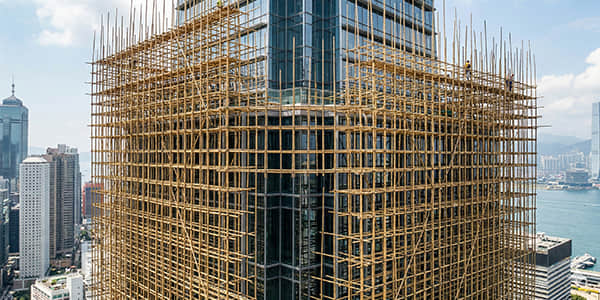
Bamboo scaffolding is one of the oldest and most enduring technologies in the construction industry. While modern steel and aluminum systems often dominate international markets, bamboo remains a vital, highly efficient, and sustainable material in many regions. A frequent question that arises among project managers, safety officers, and engineers is simple yet profound: How high can bamboo scaffolding actually go?
The answer is not a single number, but rather a complex interplay of engineering, local building regulations, and environmental factors.
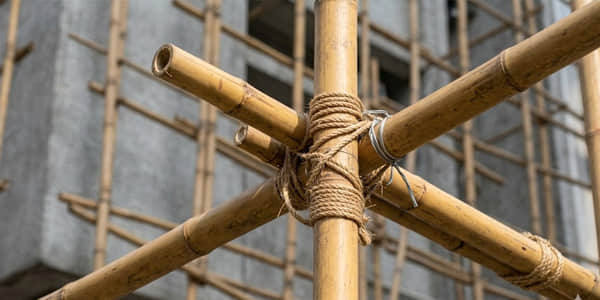
In order to understand how tall bamboo can grow, it is important to first consider the properties of a scaffold pole made from bamboo. Bamboo species such as Bambusa blumeana have a very high strength to weight ratio that has led to their nickname of being "green steel."
When properly lashed together with nylon or galvanized wire, bamboo creates a flexible yet highly resilient structure. Unlike rigid metal systems that may buckle under extreme stress, bamboo scaffolding has the unique ability to sway and absorb kinetic energy, which is particularly beneficial in high-wind regions. However, this flexibility is also what necessitates strict height limitations. As the structure grows taller, the cumulative load—both of the workers, heavy materials, and the weight of the bamboo itself—increases, requiring advanced structural bracing and more frequent tie-ins to the building facade.
In many jurisdictions, the "maximum height" of bamboo scaffolding is dictated by safety codes rather than the material's physical failure point. Regulatory bodies prioritize the safety of the workforce and the public, leading to defined operational ceilings.
For instance, in regions where bamboo scaffolding is standard practice, local regulations often impose specific height limits for:
Independent Scaffolding: Used for building exterior work, usually limited to a specific number of stories to ensure stability.
Double-Row Scaffolding: Designed for heavier loads, requiring more robust anchoring systems.
These regulations ensure that the structure does not become unstable due to bending, shear stress, or wind-induced loads. A project that ignores these code-mandated height limits risks catastrophic structural failure, regardless of the quality of the bamboo used.
If you are planning a project that involves high-rise bamboo scaffolding, several factors will determine your operational limits:
The height a scaffold can reach is directly proportional to how well it is anchored to the host structure. Without robust ties that meet engineering specifications, a tall scaffold is essentially a vertical beam prone to toppling. Proper spacing and installation of these ties are the single most important factor in extending a scaffold's height safely.
Bamboo structures act differently under wind loads compared to rigid steel frames. In typhoon-prone or high-altitude areas, the surface area of the netting or debris protection attached to the scaffold significantly increases the wind force. As the structure gets taller, wind pressure increases, creating a "sail effect" that can destabilize the scaffolding if not properly calculated and reinforced.
The strength of bamboo is not uniform. Age, moisture content, and the presence of defects significantly affect load-bearing capacity. High-altitude projects demand rigorous inspection schedules. Poles must be inspected for cracks, rot, and insect damage before being cleared for use in a tall assembly.
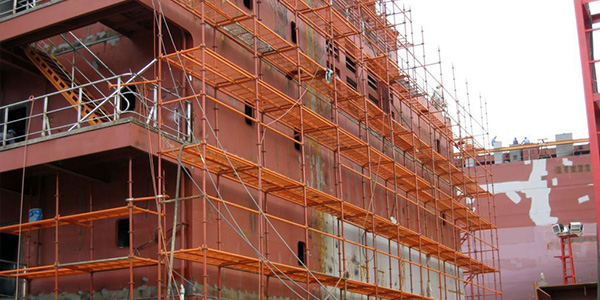
While steel scaffolding provides a predictable, rigid structure suitable for almost any height, bamboo offers a competitive edge in terms of sustainability and cost-efficiency in specific environments.
|
Feature |
Bamboo Scaffolding |
Metal Scaffolding |
|
Flexibility |
High (Energy absorbent) |
Low (Rigid) |
|
Material Weight |
Extremely Light |
Heavy |
|
Sustainability |
Renewable / Biodegradable |
Resource-intensive |
|
Max Height |
Regulated (varies by region) |
Theoretically unlimited |
For mid-to-high-rise projects, the decision often comes down to the local regulatory environment and the speed of assembly. Experienced bamboo scaffolding teams can erect structures faster and with greater agility than teams assembling heavy steel, provided they operate within the safety margins defined by engineering best practices.
To maximize the safety and utility of bamboo scaffolding at greater heights, follow these industry-standard practices:
Engineering Oversight: Every high-rise scaffolding plan must be reviewed by a qualified engineer. Relying on "rule of thumb" assembly for structures exceeding standard heights is a recipe for disaster.
Continuous Inspection: Perform daily checks, especially after high winds or significant weather changes, to ensure no lashes have loosened and no ties have failed.
Dynamic Load Management: Never overload high-altitude sections. Spread materials evenly and ensure that the load-bearing capacity of the bamboo poles at the lower levels is sufficient to carry the combined weight of the upper levels.
Professional Training: Ensure that all erectors are certified and experienced specifically in the mechanics of high-altitude bamboo assembly. This is not a task for general laborers.
The height of bamboo scaffolding is less about the physical capacity of the material and more about the management of structural integrity, wind load, and regulatory compliance. With the right engineering approach, high-quality materials, and strict adherence to safety protocols, bamboo continues to be a viable and effective solution for complex construction projects.
Ultimately, the goal is to reach the height necessary to get the job done without compromising the safety of the site. As construction technologies evolve, the integration of traditional bamboo techniques with modern engineering oversight remains the gold standard for success.
Are you planning a project and need professional scaffolding solutions or expert consultation?
Don't leave your structural safety to chance. [Contact our engineering team today] for a consultation on scaffolding design and compliance, or browse our inventory of high-quality construction materials tailored for your next project.
Q: Is there a universal height limit for bamboo scaffolding?
A: There is no single global height limit for bamboo scaffolding. The maximum allowable height is determined by local building regulations, specific site conditions, and the engineering design of the structure. Always refer to regional construction safety codes, which specify height limitations based on wind zones, load-bearing requirements, and the structural stability of the system.
Q: Does wind speed affect the maximum height of bamboo structures?
A: Yes, wind is a critical factor. As the structure increases in height, wind loads exert greater pressure on the bamboo frame, particularly when debris netting or safety covers are attached, which can create a "sail effect." High-altitude assemblies require more frequent and robust anchoring to the building facade to offset these lateral forces.
Q: Why is bamboo often considered for high-rise projects despite the availability of steel?
A: Bamboo offers unique advantages in cost-efficiency, rapid assembly, and sustainability. Its natural flexibility allows it to absorb kinetic energy and sway slightly under stress, whereas rigid metal systems may suffer from buckling under specific loads. In many regions, bamboo remains the preferred material due to its adaptability to complex building geometries.
Email : aj-steven@dghualifeng.com.cn


Friendly Links :
Kitchen Cabinet© 2026 Guangzhou AJ Building Material Co.,Ltd All Rights Reserved


 en
en fr
fr es
es